

Anti-Money Laundering (AML)
New legislation affecting real estate transactions came into effect on 1 January 2019, requiring us to gather more information from our clients to help keep New Zealand’s property market safe and transparent.
The Anti-Money Laundering and Countering Financing of Terrorism Act 2009 (AML) was introduced to maintain New Zealand’s reputation as one of the safest and least corrupt countries in the world. It ensures that money entering or leaving New Zealand is not funding criminal or terrorist activity, giving both local and international businesses confidence to transact.
While banks have been following AML rules since 2013 and lawyers since 2018, real estate agents were required to implement these measures from January 2019. Agents now assess potential risks related to money laundering, terrorism financing, and suspicious financial activity in property transactions. This involves completing “customer due diligence” to verify the identity of all vendor clients and ensure transactions are legitimate.
There are no exemptions under the AML legislation. Trusts and companies must also comply, meaning your agent will need a copy of your trust deed and will identify all trustees. Even if you are a regular Harcourts client, this information must be provided and updated periodically.
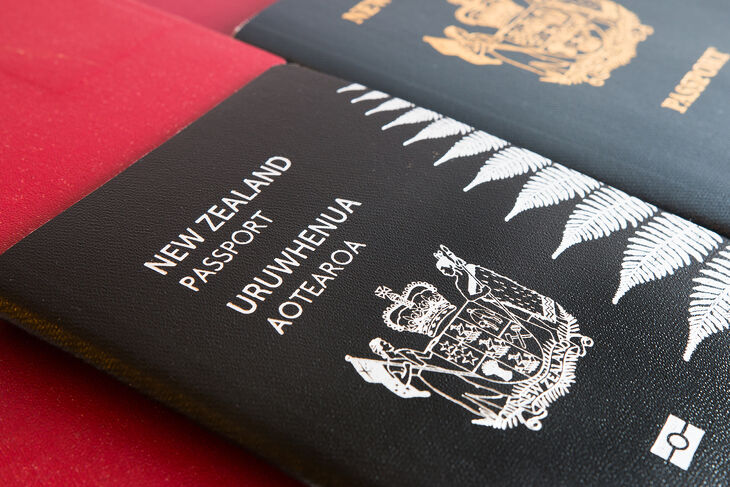
As part of the process, vendors may be asked for personal information not previously required. This can include full name, date of birth, identification documents (such as a passport, driver’s licence, or birth certificate), and proof of residential address, such as a current bank statement or rates notice. These checks protect both you and the wider property market.
Book your free appraisal today
Find out what your property is worth: